
Why DocuBay

Services

License & Compliance Management


Workforce & Employment

Permits & Approvals

Insurance & Risk Management

Legal Services

Audit, Tax & Accounting

Company Formation


26 Mar 2026
E-Invoicing in the UAE: A Practical Guide for SME Owners
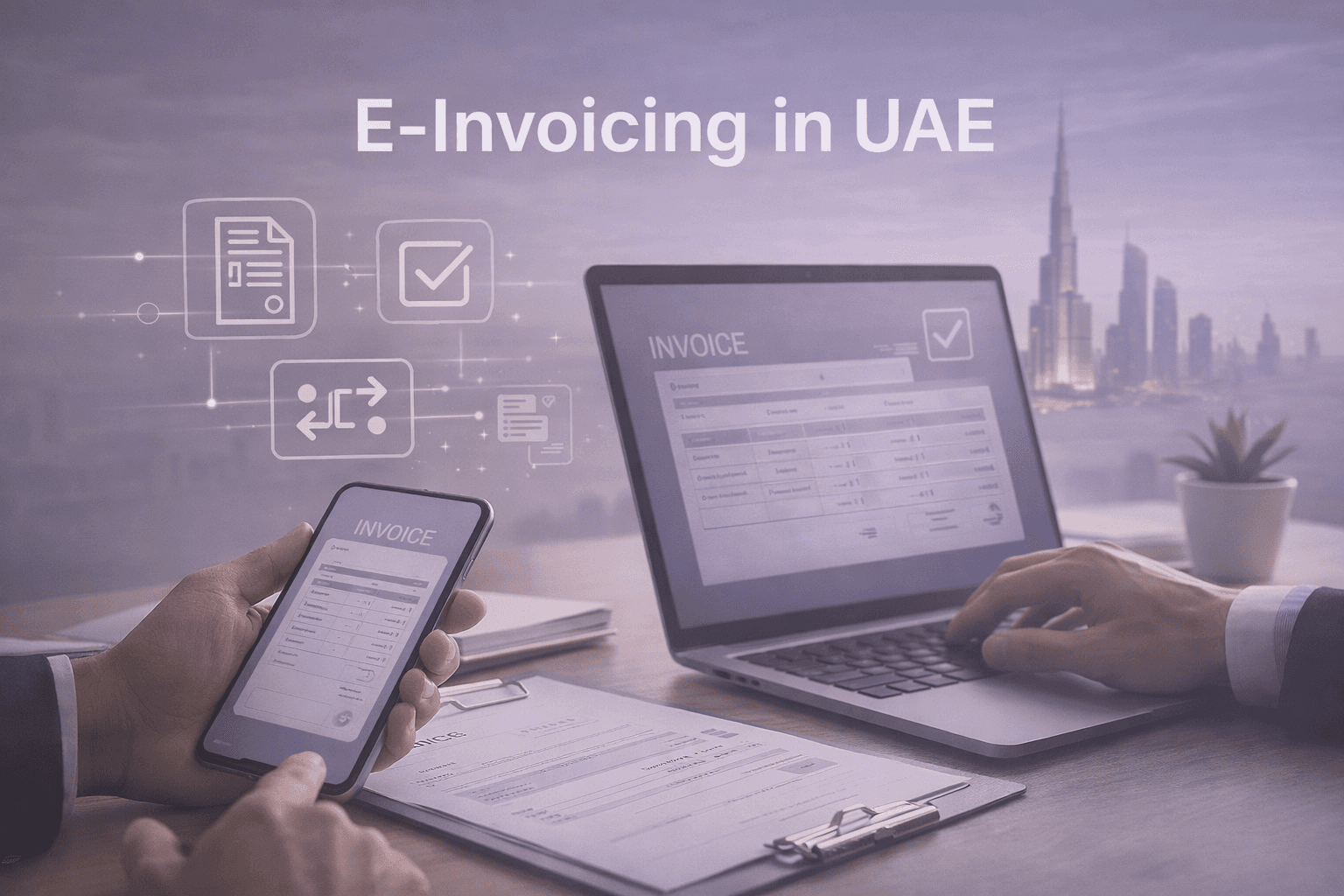
For many SME owners, invoicing has always felt like the final step after the real work is done. You deliver the service, complete the project, send the invoice, and move on to the next priority.
That is why e-invoicing can be easy to underestimate.
On paper, it sounds like a finance or systems change. In practice, it reaches much further. It affects how cleanly your business issues invoices, how quickly payments move, how well your teams handle compliance, and how ready you are for tighter expectations from customers, suppliers, and regulators. The UAE Ministry of Finance now frames e-invoicing as a structured national system for issuing, exchanging, and reporting invoice data, with phased implementation beginning in 2027 for businesses and later for government entities.
For business owners, that is the real point: this is not just about changing how an invoice is sent. It is about whether your process is ready before the invoice is ever created.
What e-invoicing actually means in the UAE
The simplest way to understand e-invoicing is this: it is not a PDF invoice emailed to a customer. Under the UAE model, an e-invoice is invoice data created and exchanged in a structured electronic format that allows automatic processing, and the relevant invoice data is also reported electronically to the Federal Tax Authority. The Ministry of Finance describes the UAE model as a decentralized 5-corner framework using accredited service providers.
In practical terms, the flow looks like this:
- the seller creates the invoice in its accounting or business software
- that invoice data goes through an accredited service provider
- the data is validated against the required standards
- it is transmitted to the buyer through the network
- the required data is also reported to the FTA
That technical framework matters, but only as context. For an SME owner, the bigger question is what that structure changes inside the business.
Why the UAE initiative matters now
The UAE has already put the legal and operational groundwork in place. The Ministry of Finance has published official guidelines, implementation decisions, mandatory data fields, service-provider accreditation criteria, and penalty rules tied to non-compliance. The official guidance says implementation will be phased, with mandatory rollout for businesses from January 2027 onwards and for government entities from October 2027 onwards.
That matters for two reasons.
First, this is no longer a vague future concept. It is an active national programme with official documentation, phased timelines, and enforcement provisions.
Second, the official guidance itself makes clear that implementation is not only about connecting to a network. The Ministry’s guidelines explicitly refer to the need for alignment of internal systems and processes, especially where businesses have more complex operations. That is one reason it makes sense to view e-invoicing as a business-readiness issue, not only a technical one.
Who needs to pay attention
According to the official guidelines, e-invoicing is mandatory for any person conducting business in the UAE, regardless of VAT registration status, unless specifically excluded under the legal framework. The same guidance also notes that where a person is within scope but not already registered for a tax type, they must register with the FTA to obtain their participant identifier.

For SMEs, this is important. It means e-invoicing is not only a large-enterprise conversation. Smaller businesses may not have the same level of systems complexity, but they are still likely to feel the operational change more directly because so many SMEs rely on lean teams, manual checks, and informal handoffs. That is not a criticism. It is simply how many growing businesses operate until a new requirement forces the process to tighten.
What changes for an SME owner
This is the part that matters most. An SME owner does not need to memorize the network design or standards language. What matters is understanding where the pressure will show up first.
1. Payment speed becomes more dependent on invoice quality
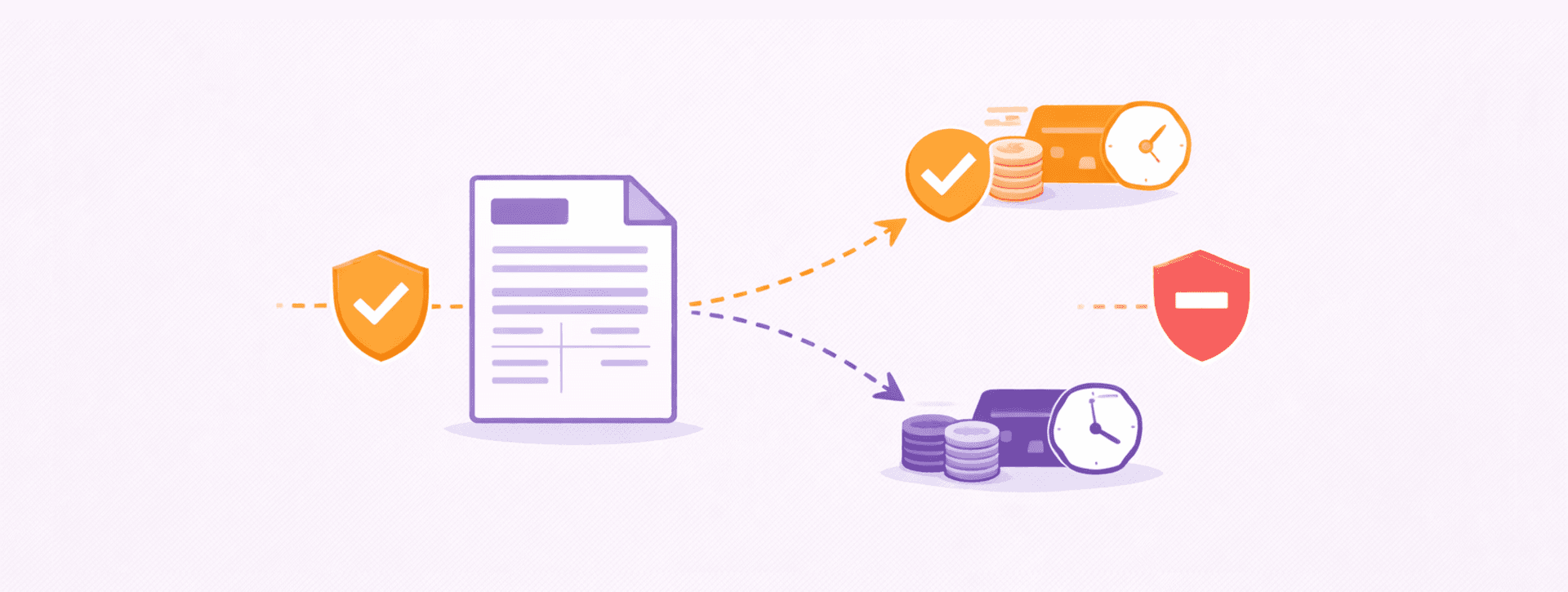
In a more structured invoicing environment, incomplete or inconsistent invoice data is more likely to be caught earlier. Missing references, incorrect customer information, inconsistent tax treatment, or poor approvals can create delays before payment even starts moving. The UAE framework is built around structured invoice data and defined mandatory fields, which means invoice quality matters more at the point of creation.
For an owner, this is really a cash-flow issue. E-invoicing can support smoother billing and fewer disputes, but only if the business is producing cleaner invoices to begin with.
2. Informal workarounds become harder to sustain
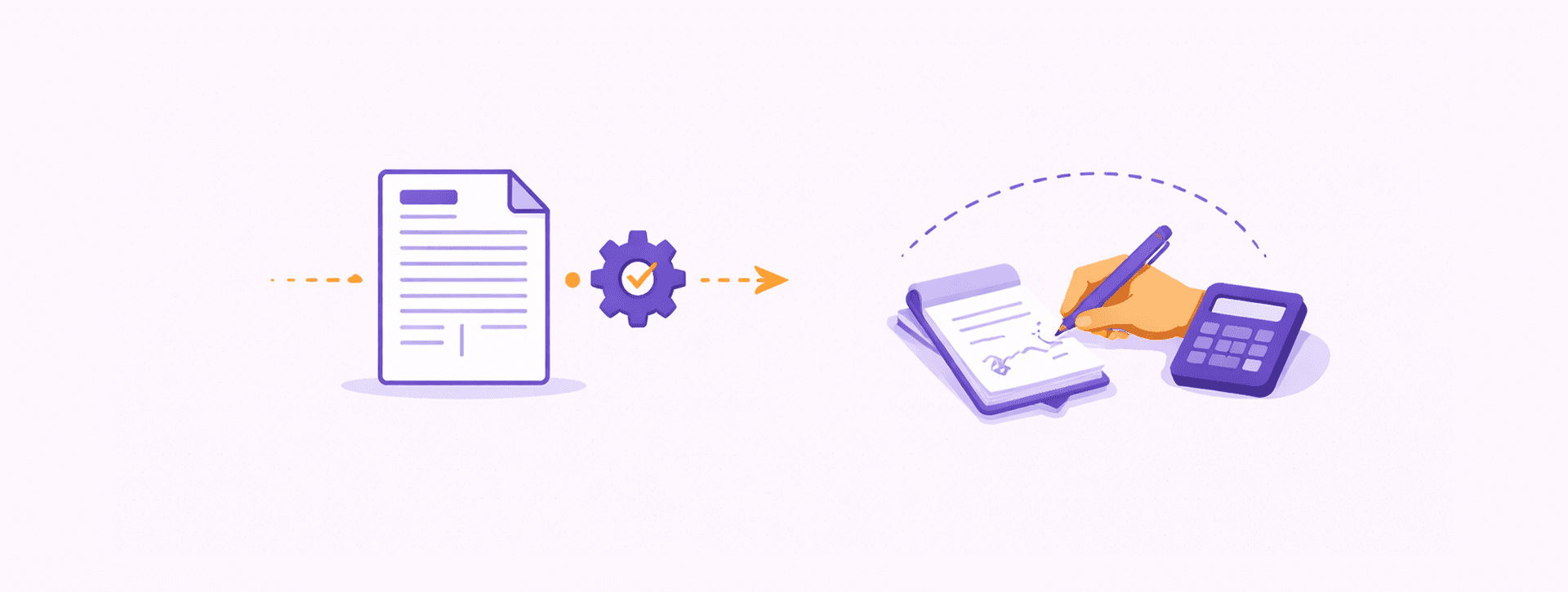
Many SMEs have small habits that keep work moving: a manual invoice edit before sending, a naming convention known only by one team member, a missing PO chased after the fact, tax handling that depends too much on who prepared the invoice that day.
Those workarounds often survive because the business is close to the work. People know what to fix. People know who to call.
A more structured invoicing model puts pressure on those habits. That can feel inconvenient at first, but it usually reveals the same process gaps that were already slowing collections and creating avoidable admin.
3. Compliance moves into everyday operations

One reason to avoid treating this as only a technical project is that the UAE model ties e-invoicing directly to tax administration and reporting. The Ministry states that the government will have access to relevant data in near real time, and the penalty framework includes fines for failing to implement the system, failing to appoint an approved service provider in time, and failing to issue or send e-invoices within the required timeframe.
That means compliance starts earlier. It no longer sits comfortably at the end of the month, after finance has had time to tidy things up. Sales, operations, and finance all influence whether the invoice is right before it leaves the business.
4. Better process matters as much as better software
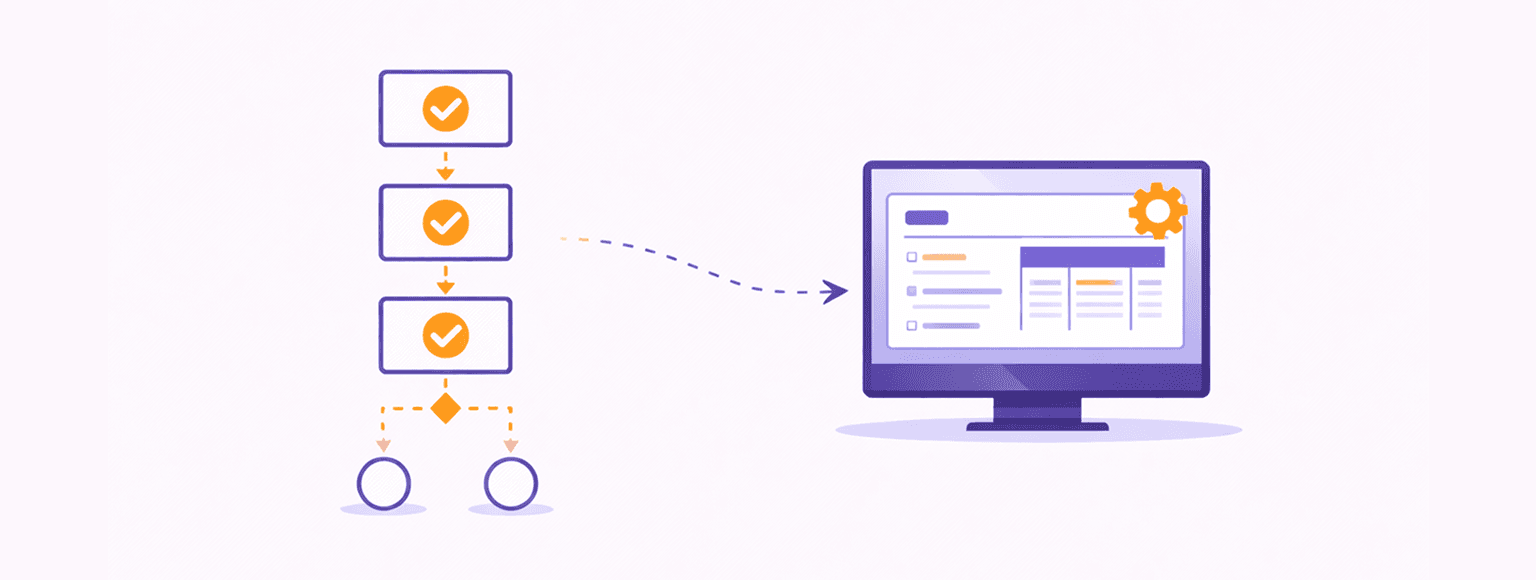
Yes, system readiness matters. Businesses will need to think about accounting software, ERP connections where relevant, approval workflows, master data quality, and service-provider readiness. The official guidance and mandatory field documentation reinforce that invoice data must meet the required structure and standards.
But the bigger issue for SMEs is usually not technology alone. It is whether the process behind the software is consistent enough to scale. A business cannot solve e-invoicing just by asking the finance team to double-check everything forever.
5. Customers and suppliers will increasingly expect readiness

E-invoicing affects the wider commercial chain, not just one business in isolation. The UAE’s model is designed around exchange between supplier and buyer through accredited providers, which means readiness on one side increasingly affects the experience on the other.
For SMEs, that can show up as:
- payment delays
- extra onboarding friction
- corrective admin
- more back-and-forth with larger customers
- reputational strain if the business looks unprepared
Over time, being easy to invoice correctly becomes part of being easy to work with.
Why it is reasonable to call this a business issue, not only a technical one
This is worth addressing directly.
It would be too strong to claim that businesses are universally “misinterpreting” e-invoicing as only a technical topic. But it is fair to say that many early conversations naturally start there, because the official framework includes service providers, validation rules, structured data fields, implementation decisions, and technical standards.
The reason to widen the lens is that the official material itself repeatedly points beyond technology:
- the guidance is written to help readers understand the impact on existing processes
- the programme highlights goals such as efficiency, reduced human intervention, improved compliance, and better taxpayer experience
- the rollout and penalties create direct operational consequences for businesses that are not ready in time
So the more balanced view is this: e-invoicing begins as a technical and regulatory change, but it lands inside the business as an operational one.
What SME owners should review now
Before e-invoicing becomes urgent, SME owners should look closely at how invoicing works in practice, not just on paper.
That means checking whether customer and tax data is consistent, whether approvals are clear, whether invoices still depend on manual fixes, and whether current systems are ready for a more structured process.
E-invoicing will not create weak processes. It will expose the ones already there.
What business owners should take away from this
The core message is simple: business owners should prepare their processes now before e-invoicing affects payments and operations.
This is not just about sending invoices in a new format. It is about whether your business can issue clean, accurate invoices without delay, confusion, or rework.
For SMEs, that affects cash flow, compliance, and how easy the business is to work with.
How DocuBay fits in
As businesses prepare for more structured compliance requirements, the challenge is rarely one task in isolation. It is keeping records, approvals, deadlines, and responsibilities clear across the business.
DocuBay helps SMEs manage those workflows with better visibility, coordination, and control.
Need help with e-invoicing readiness?
Speak with a DocuBay specialist or explore the platform to see how we can help streamline your compliance and business workflows.
Featured
⎯ Articles
Social Media Permit in the UAE: The Question Many Businesses Ask Too Late
Most campaign delays begin with the permit question being asked too late. Learn when UAE businesses need a social media permit.
Read about social media permits

Common Legal Mistakes Small Businesses Make in the UAE
Learn the six most common legal pitfalls UAE SMEs face — from weak contracts to missed deadlines — and how to avoid them.
Read about legal mistakes
E-Invoicing in the UAE: A Practical Guide for SME Owners
E-invoicing in the UAE is more than a technical change. Learn what the 2027 mandate means for SMEs and how to prepare your business.
Read the e-invoicing guide
Bring More Control
to Your Business
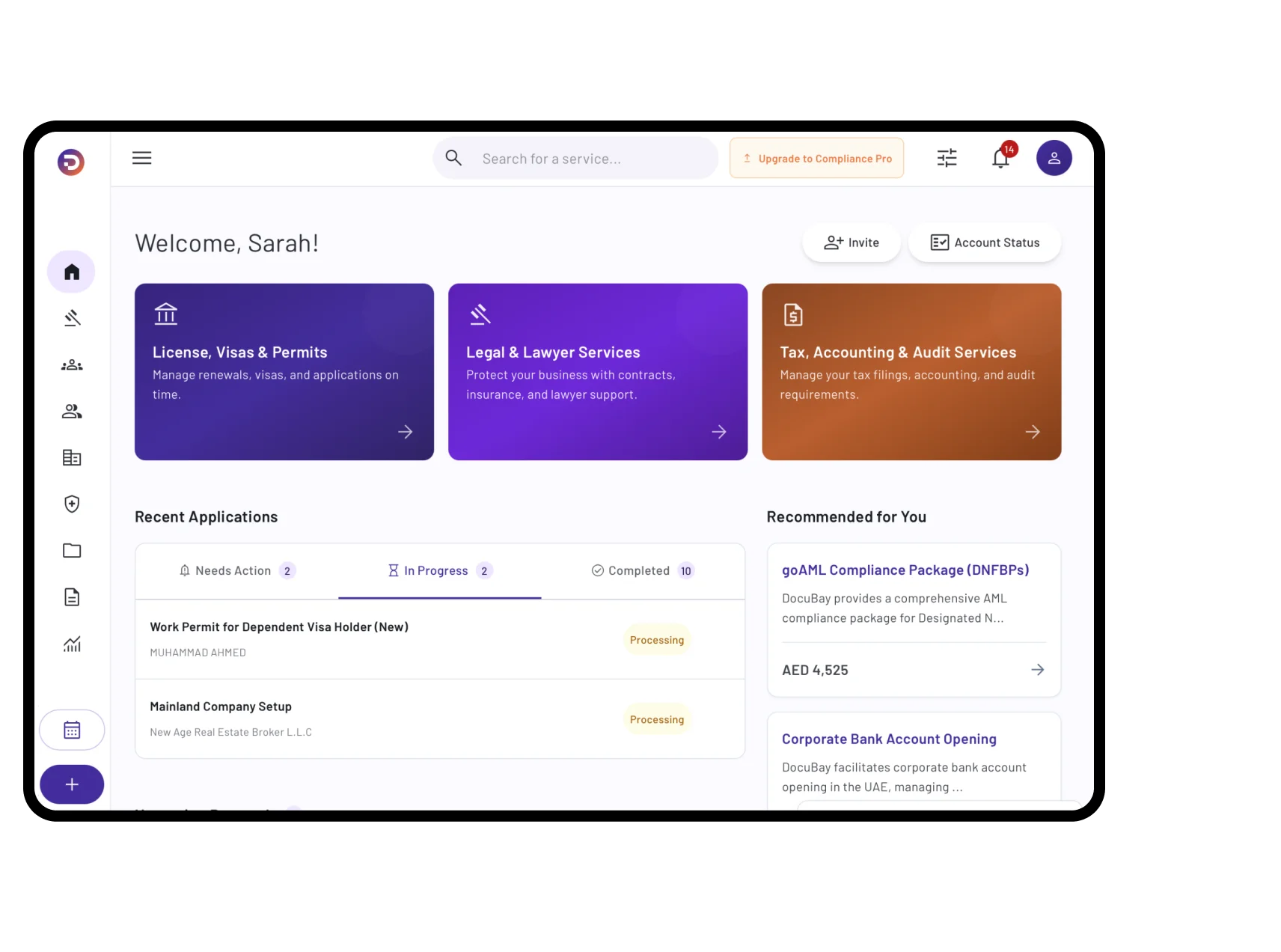

Schedule a demo to explore how DocuBay helps you manage legal, compliance, and business operations through one structured platform.